What Proust’s “Diet” Actually Teaches Us About Weight Loss
This is for informational purposes only and not intended to diagnose or treat any disease. For medical advice or diagnosis, consult a licensed professional.
Purchases made through links on this page may earn this website a small commission at no extra cost to the reader. Click here for more information.
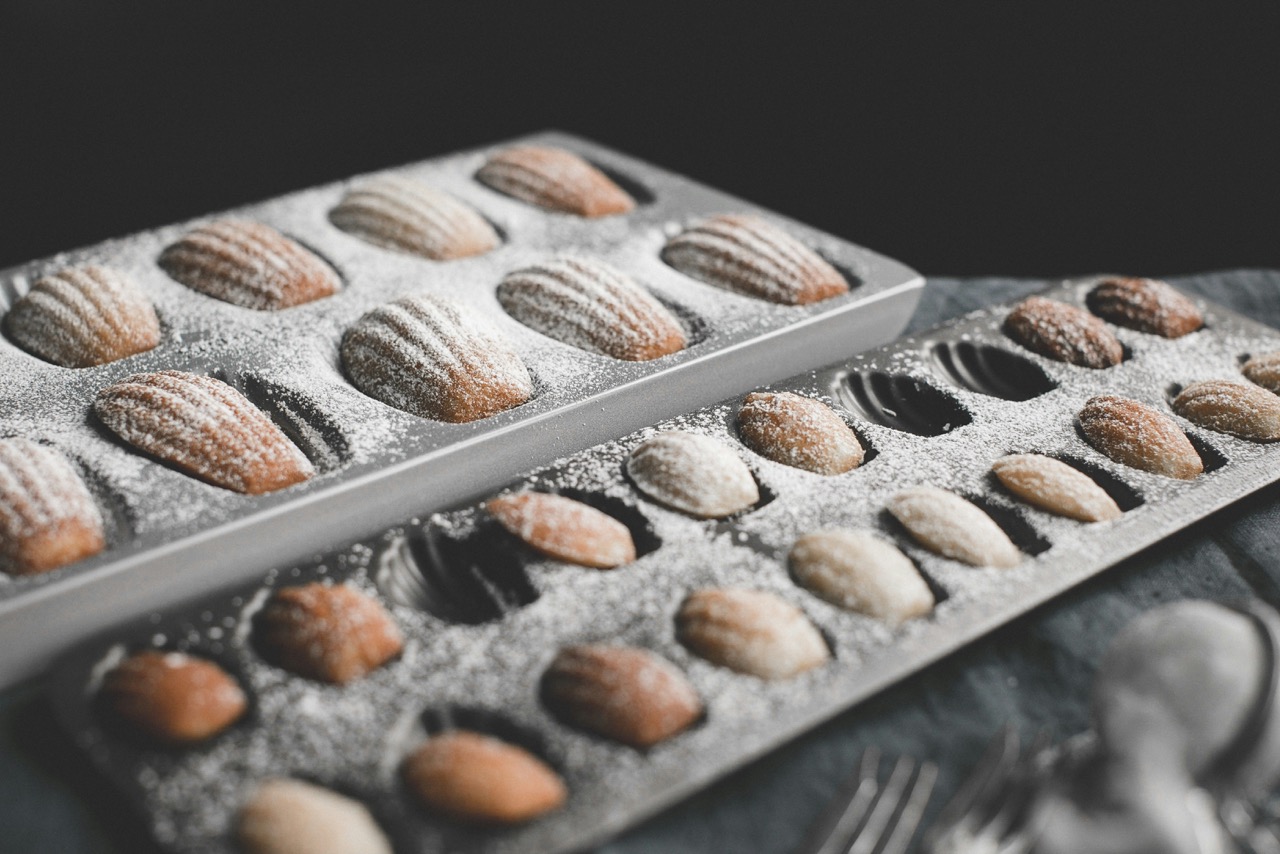
There’s a story making the rounds about the French novelist Marcel Proust. Someone noticed that he reportedly spent most of his days in bed, wrote about indulgent pastries in his novels, and still stayed remarkably thin. No gym. No meal replacement shakes. No step counting. Naturally, the internet wanted to know his secret.
It’s a funny thought experiment, but it points to something a lot of us do without realizing it: we go looking for the one trick, the hidden shortcut, the thing that thin or healthy people supposedly know that we don’t.
Here’s the uncomfortable truth. There wasn’t a secret. There was a man who, by most accounts, was chronically ill for most of his life, ate very little (often little more than a croissant and a cup of coffee with milk), and had almost no appetite as his health declined. That’s not a blueprint. That’s a sad reality dressed up as a punchline.
But the instinct behind the question is worth paying attention to, because so many people chasing weight loss are asking some version of the same thing: why does this feel so hard for me when it seems to come so easily for someone else?
The Comparison Trap
It’s tempting to look at someone who seems to eat whatever they want and stay thin and assume they’ve cracked some code you haven’t found yet. In reality, you’re almost never seeing the full picture. You don’t see their actual eating patterns over time, their health history, their metabolism, their stress levels, their sleep, or any of the dozens of factors that quietly shape how a body holds onto or releases weight.
Comparing your effort to someone else’s outcome, especially when you don’t know the full story, is a setup for frustration. It turns a long, individual process into a contest you feel like you’re losing before you’ve even gotten started.
Your path doesn’t need to look like anyone else’s. It just needs to work for your body and your life.
When the Plan Feels Like Punishment
If your current approach to weight loss involves grinding through workouts you dread, choking down food you don’t enjoy, and tracking every single step while still seeing no results, that’s worth examining honestly. Not because effort doesn’t matter. It does. But because a plan that feels like constant suffering is much harder to sustain, and sustainability is what actually produces results over time.
Quick fixes and extreme restriction often backfire. They can slow your metabolism, increase cravings, and make you more likely to give up entirely. A body that feels deprived will often fight back, holding onto weight more stubbornly, not less.
If something in your current routine feels unsustainable, that’s useful information, not a personal failure. It might be time to adjust the approach rather than push harder against it.
There’s No Such Thing as “Just Don’t Eat”
Severe undereating, whether driven by illness, like Proust’s, or by choice, isn’t a sustainable model for anyone, and it isn’t something to aspire to. The body needs consistent fuel to function well, to support your metabolism, your mood, your energy, and your long-term health.
Weight loss that comes from barely eating anything tends to come with real costs: fatigue, irritability, nutrient deficiencies, and a body that’s working against you instead of with you. None of that is a price worth paying, and it’s not actually necessary.
Sustainable weight loss comes from eating enough of the right things, not from eating as little as possible.
What Actually Works (Even Though It’s Less Fun to Joke About)
The unglamorous truth is that lasting weight loss tends to come down to a fairly short list of things, repeated consistently over a long period of time: eating in a way that supports your goals without leaving you starving, moving your body regularly in ways you can stick with, getting enough sleep, and managing stress.
None of that makes for as good a punchline as “lie in bed all day and stay thin.” But it’s also something you actually have control over, which a strange genetic or circumstantial outlier never was.
Give Yourself the Grace You’d Give Anyone Else
If you’ve been beating yourself up over a body that isn’t responding the way you hoped, despite real effort, take a breath. Weight loss isn’t a simple equation, and it isn’t a referendum on your discipline or your worth. Genetics, health conditions, medications, hormones, stress, and sleep all play a role, often a bigger one than people realize.
You don’t need a secret. You need a plan that’s actually built for you, one that accounts for your life, your health, and what you can realistically sustain. That’s a very different goal than chasing whatever made someone else’s body do what it did.
If your current approach isn’t working despite real effort, that’s a sign worth listening to, not a reason to push harder on your own. A weight counselor can help you figure out what’s actually going on and build a plan suited to your body and your life, rather than someone else’s.