Why GLP-1 Medications Are Changing How People Think About Food
This is for informational purposes only and not intended to diagnose or treat any disease. For medical advice or diagnosis, consult a licensed professional.
Purchases made through links on this page may earn this website a small commission at no extra cost to the reader. Click here for more information.
Something interesting has been happening in grocery stores across the country. People on GLP-1 medications are buying less. Less in general, and especially less of the snacks that used to fill up their carts without a second thought. New research backs up what a lot of people have already noticed anecdotally: households using these medications are spending meaningfully less on groceries, with the biggest drop showing up in the snack aisle, while spending on foods like yogurt and fresh fruit goes up.
It’s a small data point, but it points to something much bigger. These medications aren’t just changing the number on the scale. For a lot of people, they’re changing the entire relationship with food.
The “Food Noise” Most People Didn’t Know They Had
If you’ve spent your whole life thinking about your next meal or snack before you’ve finished the one in front of you, you’re not alone, and you’re not weak willed. That constant background hum of food thoughts even has a name now: food noise.
People who start GLP-1 medications often describe the same surprising experience. The noise just stops. Not gradually fading, but genuinely quiet, sometimes for the first time in decades. They stop thinking about what’s in the pantry. They stop negotiating with themselves about whether they’ve “earned” a snack. The craving simply isn’t there to negotiate with anymore.
For people who have spent years using willpower to fight a constant pull toward food, that silence can feel like getting a part of their life back.
It’s Not Just About Willpower
For a long time, weight management was framed almost entirely as a test of discipline. If you struggled, the assumption was that you simply weren’t trying hard enough.
What’s becoming clearer is that hunger and cravings are driven by a complex system of hormones and brain signals, most of which operate well below conscious thought. Some people’s bodies produce strong, persistent hunger signals no matter how much they eat. Others don’t. That difference isn’t a character flaw. It’s biology.
GLP-1 medications work by mimicking a hormone your body already makes, one involved in appetite regulation and feeling full. For people whose natural signaling wasn’t doing enough on its own, these medications essentially fill in a gap. It’s less like cheating and more like leveling the playing field.
Cravings Beyond the Plate
One of the more unexpected patterns showing up is that the effect doesn’t seem limited to food. Many people on these medications report less interest in alcohol, less impulsive shopping, and weaker pulls toward other habits they’d struggled to manage for years.
The leading theory is that these medications affect the same underlying impulse and reward pathways that drive food cravings, regardless of what’s triggering them. Whether that’s a snack, a drink, or an online cart, the same mechanism may be quieting the urge.
This is still an active area of research, and there’s a lot more to learn. But the pattern is consistent enough that it’s reshaping how scientists think about appetite, impulse control, and addiction as a whole.
A Shift Toward Whole Foods
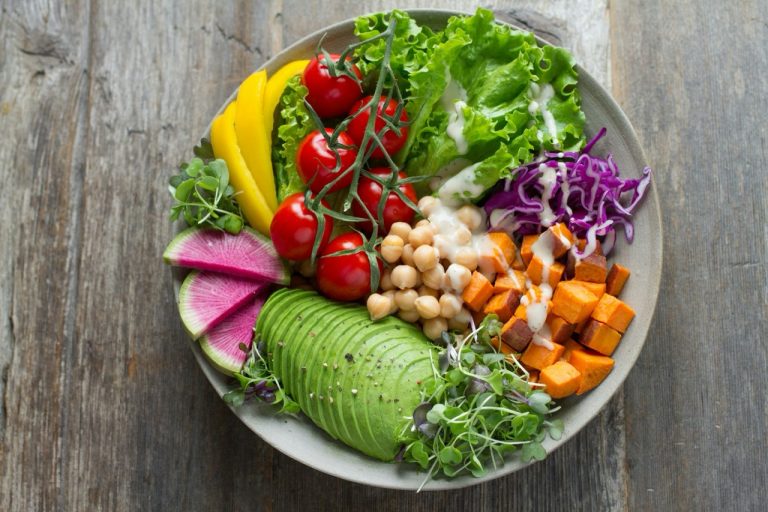
People often expect that losing the urge to snack would feel like deprivation. In practice, many describe the opposite. Without the pull toward intensely processed, engineered snack foods, simpler foods start to feel appealing again. Fruit. Vegetables. Grilled chicken. A salad that used to feel like a chore suddenly feels like exactly what they want.
Part of this comes down to how the body processes food differently while on these medications. Heavy, greasy, or very rich foods can be uncomfortable to eat in the quantities people used to enjoy. Lighter, simpler meals tend to sit better, so the body naturally starts steering toward them.
The result, for a lot of people, isn’t a forced diet. It’s an appetite that finally seems to want the things that are good for it.
What This Doesn’t Change
None of this means GLP-1 medications are a simple fix for everyone, or that they come without real considerations. They’re medications, and like any medication, they come with potential side effects and questions about long-term use that are still being studied. They also aren’t accessible or affordable for everyone who could benefit from them, which is its own significant problem worth solving.
It’s also worth saying clearly: these medications are tools, not substitutes for the basics of good health. Eating enough protein, staying active, and building sustainable habits still matter, with or without medication. People who get the best results tend to treat these drugs as one part of a broader plan, not a replacement for the rest of it.
The Bigger Picture
What’s happening right now is a genuine shift in how we understand appetite, cravings, and the food environment we’ve all been living in. For decades, the snack food industry built products specifically engineered to be hard to stop eating. Now, for many people, that engineering has lost its grip, not because they found more willpower, but because the underlying biology shifted.
That’s a meaningful thing to sit with. It suggests that a lot of the struggle people have faced with food wasn’t a personal failing at all. It was a mismatch between very persuasive products and a hunger system that didn’t have the tools to resist them.
If you’ve struggled with food for years and felt like something was wrong with you, this research suggests something different. The deck may have simply been stacked, and tools now exist to help even the odds.
If you’re curious whether a GLP-1 medication could be part of your weight management plan, talking with a knowledgeable professional is the best place to start. A weight counselor can help you understand your options and build an approach that fits your health, your goals, and your life.